How Will EHR Integration Improve Clinical Efficiency & Patient Outcomes?

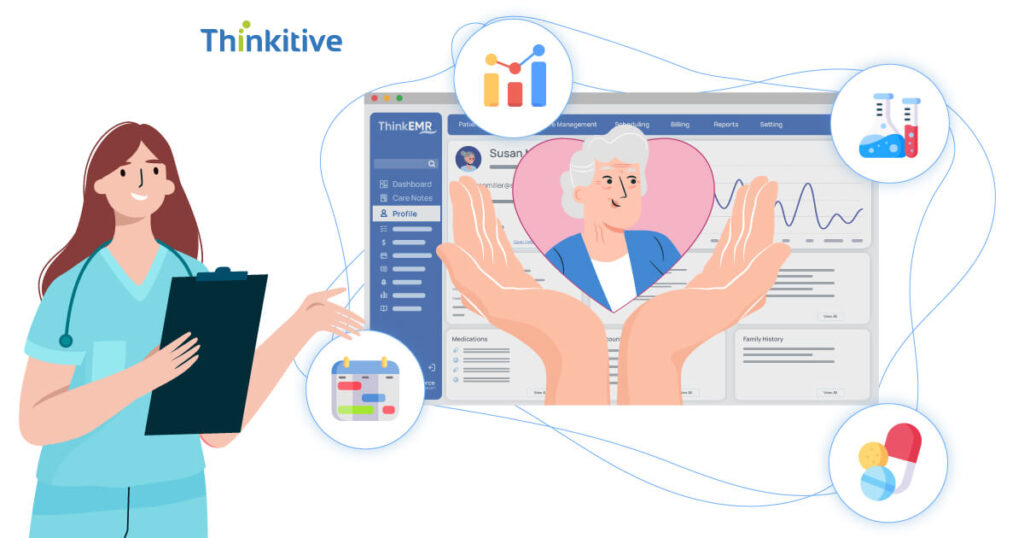
What do you rely on most for accurate care delivery?
Obviously, it’s the data and patient interaction, right? Over the years, data has become equally crucial as patient interactions for personalized and accurate care. In fact, some physicians are now able to analyze data so fast that they can accurately diagnose a person just by looking at their data.
However, you wouldn’t be reading this if there weren’t a problem, right? So, as we are all in the middle of the transition phase of the healthcare industry, having access to the right data at the right time is extremely important. And that is why you need EHR integration to connect your healthcare IT systems with other systems.
First of all, EHR integration is a tough process, and problems like fragmented care, slow processes, and errors can be present when transmitting the data. However, on the brighter side, it also improved clinical efficiency and patient outcomes significantly.
So, a little trouble at the start can set your practice on the track of being futuristic and building on the base of advanced technology.
On that note, let’s explore the key benefits of EHR integration for both healthcare providers and patients alike.
Seamless Data Flow: The Foundation of Efficiency
The first thing you get with electronic health record integration is that you structure the data flow both inside and outside your practice. This builds the foundation of efficiency by creating a specific pathway for data to be shared via healthcare system integration.
To explain in simple terms, with this, you can efficiently share data with other healthcare providers in real time and bring every member of the care team on the same page, working towards the same goal.
Other than that, with EHR integration, you can bring automation into your practice. Automation alone removes the barrier of manual data entry, making it much simpler and more accurate. At the same time, it eliminates the necessity of duplicating records or tests.
As to its benefits in the care delivery process, the data flow perfectly aligns with the patient’s journey. This way, it streamlines the work for doctors, nurses, and administrative staff, making it easier to work in a structured framework and not wonder what to do next.
On top of that, the instant accessibility to patient records further streamlines dataflow processes and other aspects of care delivery.
Empowering Clinicians with Comprehensive Insights
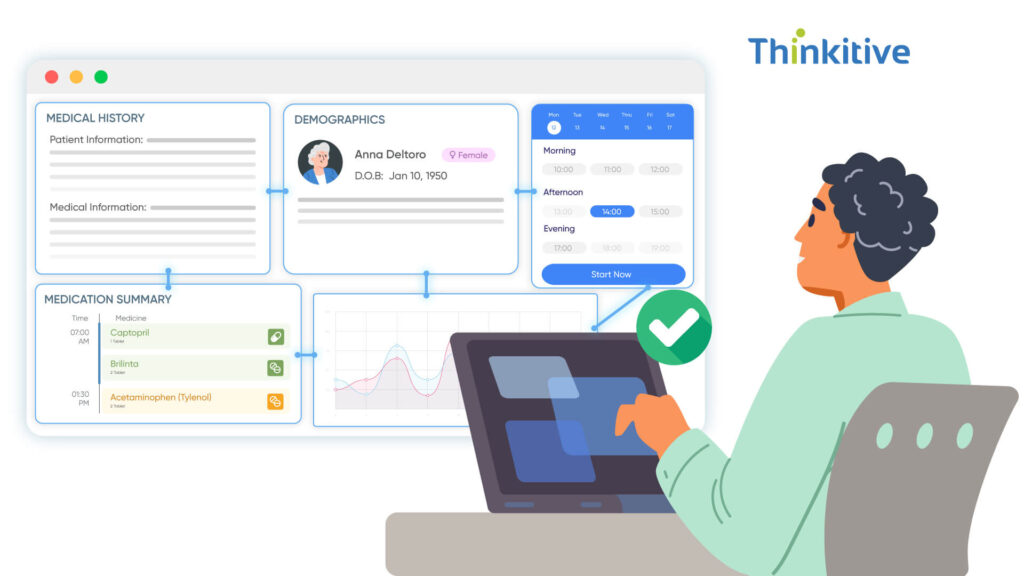
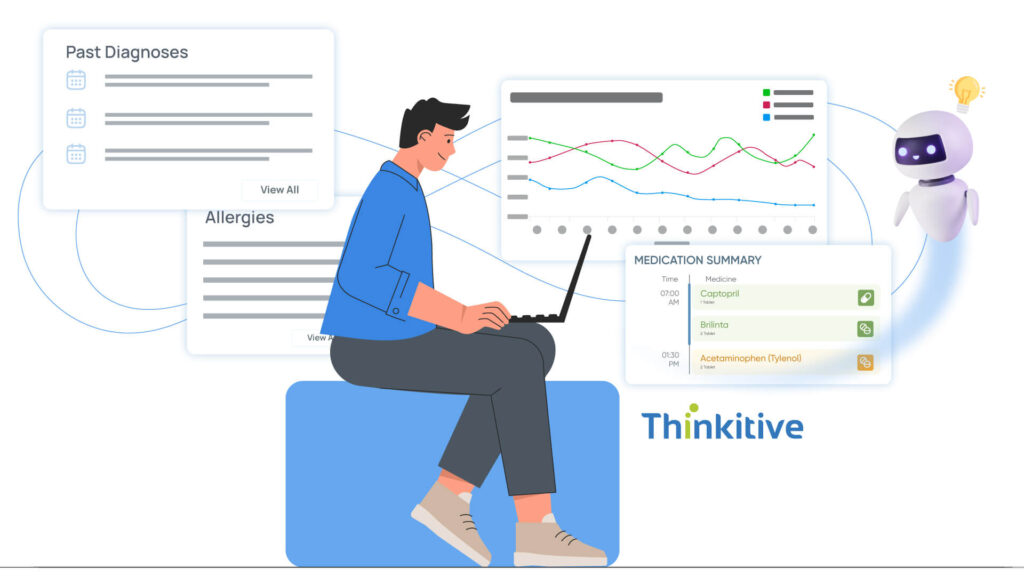
Understand that to empower your providers, you need to give them comprehensive access to data, which helps you deliver faster care more accurately. With EHR integration, you directly or indirectly integrate data into your healthcare system, allowing your providers to do exactly that. This way, they get a holistic view of the patient’s health, which comprises lab results, medications, allergies, and past diagnoses. It helps in delivering care in a more accurate and timely manner.
Another application of AI that can be used with EHR integration into your system is drug interaction features. This means that the system itself will analyze and predict possible drug interactions with patients based on their needs and health history. By flagging potential drug interactions or contradictions, the accuracy of medication and diagnoses is increased, leading to better care activities.
Last but not least, EHR integration into your system enables you to track patient progress, understand care delivery in a much better way, and provide personalized care easily and accurately.
Reducing Errors & Enhancing Patient Safety
During the patient care journey, one of the major problems that healthcare providers face is errors in medication, care plan adherence, and missed appointments. Even though these activities are usually neglected by both parties, they are important to ensure patient safety.
However, the integrated system ensures something by going beyond the usual setup. For instance, with automated alerts and reminders, the risk of medication errors can be easily overcome. Along with that, you make attempts to improve patient adherence with appointment reminders and reduce missed appointments.
Furthermore, by following standardized data formats such as HL7 FHIR standards, the chances of misinterpretation in data are minimized, if not eliminated. This way, the gaps in patient data, as well as the communication breakdowns, are filled.
Long story short, EHR integration plays a huge role in preventing diagnostic errors and grants your team of healthcare providers complete access to patient information for holistic and accurate care delivery.
Question to Ask Your Healthcare Provider for EHR Integration
Download Free ChecklistOptimizing Administrative Processes & Resource Allocation
Every healthcare practice functions in a particular process so that they can work at their best capacity to serve the patients best. In this quest, they also make every attempt to be profitable and make the most use of the resources available to them.
While clinical workflows can be taken care of by physicians, nurses, and other healthcare professionals, you can use your healthcare system to optimize the administrative processes of your practice. Starting from the very first task of appointment scheduling to medical bill generation and even insurance pre-authorization, with EHR integration, you automate these tasks and focus your attention on things that are more important.
This way, the administrative burden on staff is reduced, as they only have to monitor and keep track of everything that is happening. On the other hand, it also frees up time for them to focus on care delivery.
Going a step forward, you can integrate advanced technologies like AI or ML with EHR integration into your system for better resource allocation and management. With access to data on real-time patient flow, you can allocate resources like beds, medication, and oxygen cylinders in a much better way, and for those who are in dire need.
By optimizing administrative processes with the flick of advanced technologies into resource allocation, you can take up a holistic approach to delivering care.
TIP: Using EHR integration for reporting and analytics can give you accurate and deeper insights into your practice management.
Enhancing Patient Engagement & Experience
As everyone around the world is trying to make healthcare more transparent and holistic, an attempt has been made to make it holistic and personalized by allowing patients access to their own health data. By giving patients access to and control of their healthcare data, they promote patient engagement and elevate the patient experience significantly.
On the brighter side, EHR integration into your patient portal allows patients to access their health records and appointments. On the basis of this data, they can easily reschedule their visits, initiate conversations, and promote communications.
By offering greater transparency, you empower patients to be more active in their care journey and proactively participate in it. This allows your providers to take a holistic approach to care delivery and specifically take into account the needs and preferences of the patient to achieve the desired health outcomes.
Along with that, it also opens doors for personalized communication, which is a crucial aspect of delivering preventive care. In this way, a seamless flow of data can improve and impact many aspects of your care delivery. In short, it allows for a smooth transition from traditional to advanced digital care practices that can personalize care delivery and improve the overall patient journey.
The Future of Integrated Healthcare: AI & Beyond
EHR integration, coupled with advanced technologies like AI, ML, Big Data, etc., can be an even more powerful tool. With these tools, you can not only access the data quickly but also get the option to analyze it almost instantly and accurately. With these trends, you can include predictive analytics as a feature in your practice and further sophisticate the medication process with personalized medicine.
Furthermore, it can help you achieve interoperability as the landscape is evolving; it can help in attaining stability and enhance data sharing across different healthcare ecosystems profoundly.
Conclusion
If you are building software for your healthcare practice, then you are bound to need EHR integration to actually make the most of the software. Moreover, it not only brings efficiency in clinical tasks but also in administrative tasks and contributes to directly improving patient health records.
Seamless data flow, informed decision-making, and enhanced patient engagement are some of the many benefits that you can enjoy with EHR integration, as well as transforming your healthcare practice with transformational healthcare technology.
Frequently Asked Questions
EHR integration is like connecting different computer systems in a hospital so they can all “talk” to each other. This means things like patient records, lab results, and appointment schedules can be easily shared and accessed by doctors and nurses, making their work smoother and improving patient care.
EHR integration acts like a central digital hub, instantly giving doctors and nurses a complete view of a patient’s medical history. No more chasing paper files or waiting for faxes! This quick access to information like medications, allergies, and past treatments helps them make faster, more informed decisions, ultimately saving precious time for what truly matters: caring for you.
Integrated EHR systems often come with robust security features like encryption, access controls, and audit trails, which can make your health information more secure compared to paper-based records. These systems are also designed to comply with regulations like HIPAA. However, it’s not a guarantee. Security depends on how well the system is implemented and maintained by your healthcare provider. There can still be risks like data breaches if security measures aren’t strong enough or if there are vulnerabilities in the system. So, while integrated EHRs offer better security potential, vigilance is still key.
Think of an EHR as a shared digital notebook for all your doctors. When they need to chat about your health, instead of playing phone tag or waiting for faxes, they can instantly see the same up-to-date information – test results, medications, and notes from other visits. This seamless access helps them understand your complete picture and communicate more effectively for your well-being.
Integrating patient portals with EHRs creates a convenient hub for you to actively manage your health! You can easily access your records, view test results, request prescription refills, and schedule appointments online. This seamless connection empowers you to be more informed and engaged in your healthcare journey, all in one secure place.
As a patient, you’d want an EHR that’s easy for your doctor to use, so they can focus on you. Look for features that let you see your records easily, maybe even schedule appointments or message your doctor securely. It’s all about making your healthcare journey smoother!
Having an electronic health record (EHR) is like having all your health info neatly filed on a computer. EHR integration goes a step further; it’s like making sure all those different computer files can “talk” to each other seamlessly. This allows doctors, hospitals, and even you to securely share and access your complete health story, leading to better, more coordinated care.
Yes, EHR integration can significantly help in reducing medical errors. By providing a unified view of patient information, it minimizes miscommunication, ensures legibility, and flags potential issues like drug interactions or allergies. Real-time access to accurate data empowers healthcare professionals to make informed decisions, ultimately leading to safer patient care.
Integrated EHR data acts like a well-organized library for a patient’s health story. Instead of scattered notes, doctors see a complete picture – past illnesses, medications, allergies, and test results all in one place. This helps them connect the dots, avoid errors, and make more accurate diagnoses, leading to better care, just like a librarian finding the right book quickly!
EHR integration acts like a central nervous system, securely connecting different healthcare facilities. It allows doctors, nurses, and other caregivers to easily access a patient’s complete medical history, regardless of where they received care. This seamless flow of information ensures better-informed decisions, reduces errors, and leads to more coordinated and safer care for everyone involved.


