FHIR vs HL7: Which Healthcare Integration Standard Should You Choose?

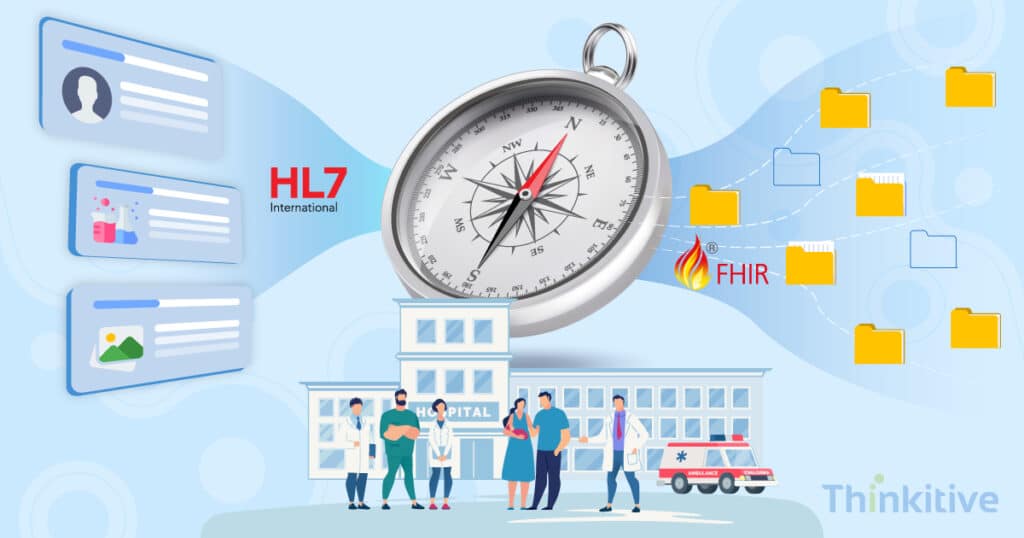
There is a swift shift happening in the healthcare industry, and that is going to change how healthcare systems work and function to deliver care.
You see, more than half of the healthcare systems in the United States are still using legacy systems. Due to this, achieving API-driven interoperability was quite difficult for healthcare systems, as these legacy systems are heavily dependent on message-based integrations.
Before that, you need to know that healthcare interoperability majorly depends on the ability to exchange data accurately, securely, and efficiently across systems. Interestingly, 95% of the US healthcare organizations rely on HL7 v2 messaging standards, according to the National Library of Medicine.
This might tell you that healthcare integration majorly runs on HL7 v2 messaging standards, right? Well, your assumption is partially correct. Let me explain, according to NCBI, almost 81% of hospitals used FHIR-based APIs for patient access.
And this was in 2024. In the last two years, the landscape has changed significantly, and that explains the demand for FHIR healthcare integration from healthcare organizations. However, the contradicting yet distinct features of FHIR vs HL7 make it difficult for healthcare organizations to choose one.
While one helps you to be part of the existing ecosystem, the other lets you be a part of the future trends. So, the question remains, which healthcare integration stand should you choose?
Well, that is exactly what we’re going to discuss in the blog below.
On that note, let’s see the difference between HL7 v2 and FHIR R4 healthcare interoperability standards. And let this blog be your guide to choosing between HL7 and FHIR for EHR connectivity.
So, without further ado, let’s get started!
Understanding HL7 & FHIR Fundamentals
Let’s start with the basics by understanding the fundamentals of FHIR vs HL7.
HL7 is a healthcare messaging standard designed to exchange clinical and administrative data between systems such as EHRs, laboratories,pharmacies, and billing platforms. Now, the traditional HL7 workflows rely on event-based messages, like patient admissions, orders, or lab results. These events are triggered by these messages, which are transmitted between connected systems.
This allows healthcare practices to automate data sharing and operational processes.
On the other hand, FHIR is a modern interoperability standard that uses RESTful APIs and web technologies to exchange healthcare data. It stands for Fast Healthcare Interoperability Resources, and the difference between HL7 and FHIR is at the core.
You see, rather than sending the entire messages like HL7, FHIR organizes information in reusable resources as Patient, Encounter, and Observation. This allows the application to securely access and share specific data in real time using formats like JSON and XML.
Evolutions from HL7 vs Messaging to FHIR R4 Architectures
HL7 v2 still remains the most widely implemented healthcare integration standard despite being a message-based architecture, which is not only complex but also difficult to scale for modern applications.
FHIR, on the other hand, was developed to address these limitations by introducing API-driven interoperability. So with the introduction of the FHIR R4 standard, it became the first normative version, providing a stable framework for building healthcare applications, patient portals, and cross-platform integrations.
Impact of ONC & 21st Century Cures Act Interoperability Requirements
There is a rapid adoption of FHIR across the healthcare landscape, and that is due to the introduction of the 21st Century Cures Act and the guidance from the ONC.
These regulations have not only accelerated FHIR adoption but have also promoted patient access to electronic health information, reduced information blocking, and encouraged the use of standardized APIs.
As a byproduct, FHIR became a key component of healthcare interoperability for modern healthcare.
Architectural Comparison: Difference Between HL7 v2 & FHIR R4
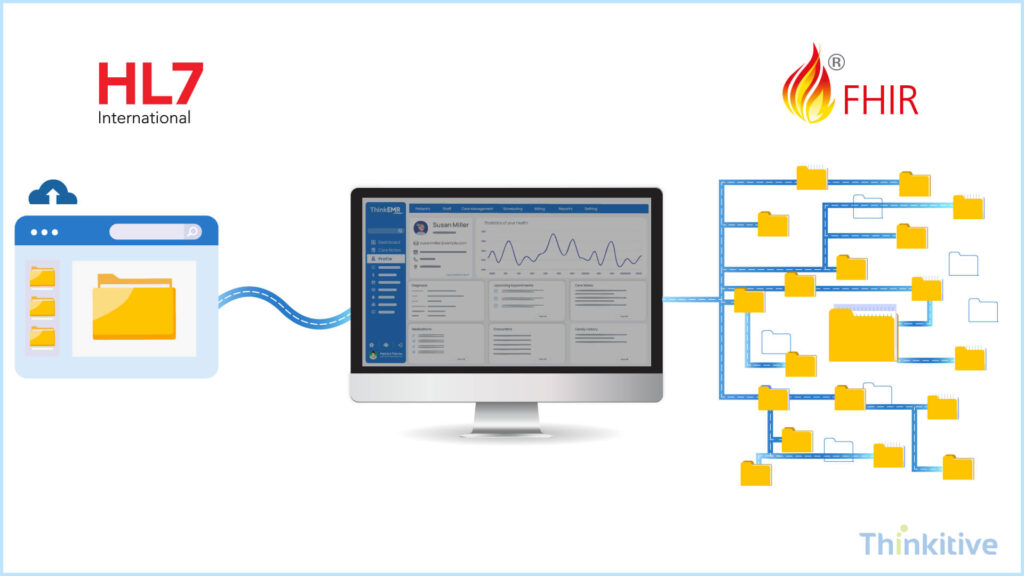
The difference between HL7 v2 and FHIR R4 can be clearly seen in their architecture. On that note, let’s deep dive into the architectural comparison of these two healthcare interoperability standards.
HL7 Message Structures vs Modular FHIR Resources
HL7 v2 exchanges information through structured messages made up of segments and fields. Here, the structure of the message represents a specific healthcare event. This triggers the event and exchange of data.
On the other hand, FHIR organizes data into modular resources such as Patient, Encounter, and Observation, making information easier to access, reuse, and share across applications.
MLLP/TCP Communication vs HTTPS REST APIs
HL7 vs typically relies on MLLP over TCP/IP connections to transmit messages between healthcare systems. FHIR uses RESTful APIs over HTTPS, which allows developers to access healthcare data using modern web technologies that are widely supported across cloud and mobile applications.
Event-Driven Messaging vs Real-Time API Interoperability
If you have been reading this blog, then you would know that HL7 v2 is event-driven. In simple terms, data is exchanged when a specific event occurs, such as patient admission or lab results. Whereas FHIR supports real-time interoperability by enabling applications to request and retrieve data whenever it is needed, which improves accessibility and responsiveness.
Authentication Differences Between Legacy Interfaces & OAuth 2.0 Ecosystems
Traditional HL7 integration depends on secure networks, VPNs, and interface-level security. FHIR, on the other hand, supports modern authentication frameworks such as OAuth 2.0 and SMART on FHIR, providing secure, standardized access for users, applications, and third-party healthcare solutions.
Here is a table that will clearly define the architectural difference between FHIR vs HL7:
| Feature | HL7 v2 | FHIR R4 |
| Data Format | Pipe-delimited messages | JSON/XML resources |
| Communication Style | MLLP/TCP-IP | RESTful APIs |
| Integration Model | Event-driven messaging | Real-time request/response |
| Authentication | Interface/network-based security | OAuth 2.0 / SMART on FHIR |
| Cloud Compatibility | Limited | Strong |
| Best Fit | Legacy hospital systems | Modern healthcare platforms |
Choosing Between HL7 & FHIR for EHR Connectivity
Now that you know the core differences between HL7 v2 and FHIR R4, you might know what the best fit for your practice is. But having said that, here are certain things that let you know about EHR connectivity.
Here are some factors on which some of your decisions should be based:
When You Should Continue Using Legacy Healthcare Integration
You should continue using HL& v2 if you rely on established EHRs, laboratory systems, billing platforms, or other legacy applications that support HL7 messaging. In these environments, maintaining existing integrations can be more cost-effective and less disruptive than replacing them with newer technologies.
Situations Where FHIR Healthcare Integration Offers Better Scalability & Flexibility
FHIR should be a preferred choice for organizations building modern healthcare applications, patient portals, telehealth platforms, and analytics solutions. Since it is an API-based architecture, it will enable core aspects of interoperability like real-time data access, easier third-party integrations, and greater scalability across cloud-native and mobile environments.
Supporting Hybrid Environments Where HL7 & FHIR Coexist Together
In an attempt to find a middle ground between these two healthcare interoperability standards, many practices have adopted hybrid environments. Here, the HL7 messaging protocol continues to support internal workflows and legacy systems. At the same time, FHIR APIs provide a secure, real-time access to data for modern applications, creating a practical bridge between traditional and emerging technologies.
Key Operational Factors for Deciding Which Healthcare Integration Standard to Choose
The choice between HL7 and FHIR depends on factors such as existing technology, infrastructure, integration requirements, regulatory requirements, scalability goals, etc. That is why organizations should evaluate both current operational needs and future digital transformation initiatives before selecting any integration approach.
Here is a quick decision table for HL7 vs FHIR:
| Consideration | Choose HL7 v2 | Choose FHIR |
| Existing Infrastructure | Legacy healthcare systems already use HL7 | Building new healthcare platforms |
| Data Exchange Needs | Internal system-to-system messaging | Real-time API-based data access |
| Integration Complexity | Existing interfaces are already operational | Need faster and more flexible integrations |
| Mobile & Patient Apps | Limited requirement | Core business requirement |
| Cloud Adoption | Primarily on-premise systems | Cloud-native or hybrid environments |
| Future Scalability | Maintaining current workflows | Expanding interoperability and innovation |
Integration Challenges & Enterprise Considerations
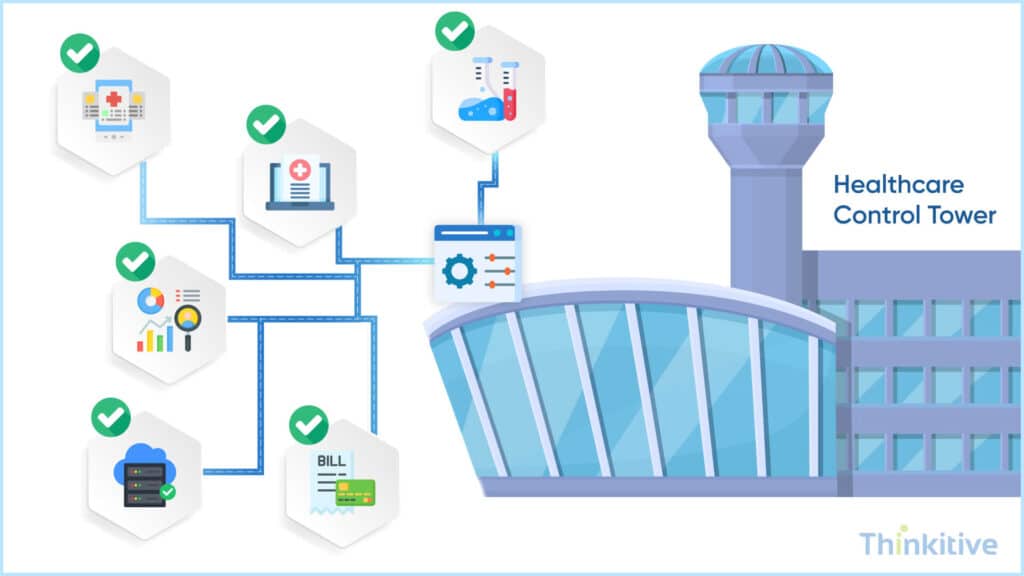
Whether it is FHIR healthcare integration or legacy healthcare integration, achieving both of them is filled with challenges that you must consider. Furthermore, if you are an enterprise, then some considerations must be taken into account before making any decision.
So, here are some integration challenges that you must know:
Managing Interoperability Differences Across Healthcare Systems & EHR Vendors
Healthcare practices use multiple systems, and typically, they come from different vendors. Now, every vendor chooses their own data structure, workflows, and integration requirements. In such scenarios, to ensure seamless interoperability, you need to carefully design interfaces, map data fields, and adhere to industry standards to maintain consistent data exchanges across platforms.
Handling Terminology Mapping & Data Normalization Workflows
Since you will be using multiple systems, these systems may be using different clinical terminologies, code sets, and data formats. Here, organizations must implement terminology mapping and data normalization processes to ensure that information remains accurate, consistent, and understandable to the system for accurate data exchange.
Challenges of Converting HL7 Interfaces into API-Driven Interoperability Models
Furthermore, as the healthcare ecosystem grows, practices must establish governance frameworks to manage integrations, security policies, API access, and data quality standards. This is necessary because effective governance helps in maintaining scalability, reducing maintenance complexity, and ensuring long-term interoperability across evolving environments.
Security, Compliance & Future Readiness
Since you will be dealing with some of the most sensitive information of your patients and practice, you simply cannot ensure security and compliance related to your system. Along with that, future readiness of the evolving ecosystem must also be taken into account. Let’s deep dive into these intricacies.
HIPAA Compliance Considerations Across HL7 & FHIR Ecosystems
Both HL7 and FHIR must support HIPAA-compliant data exchange when implemented with appropriate security controls. This is important because compliance depends on safeguards such as encryption, access controls, audit logging, and secure data transmission rather than the interoperability standard itself.
Role of OAuth 2.0 & SMART App Launch in Modern Healthcare Interoperability
Now, FHIR-based ecosystems commonly use OAuth 2.0 and SMART on FHIR to manage authentication and authorization. These frameworks are the pillars to enable secure access to healthcare data by allowing users and applications to authenticate through standardized, role-based security mechanisms while maintaining patient privacy.
Aligning Interoperability Strategies with TEFCA & Federal Interoperability Initiatives
For standardized data exchange, improving nationwide interoperability, and supporting secure access to health information across different healthcare networks, you must align your interoperability strategies with federal initiatives such as TEFCA (Trusted Framework & Common Agreement).
Why API-First Interoperability Is Shaping the Future of Healthcare Systems
API-first interoperability enables healthcare organizations to connect applications, exchange data in real-time, and support emerging technologies more efficiently. Furthermore, as healthcare systems continue to adopt patient engagement, cloud adoption, and data-sharing requirements, API-driven standards such as FHIR are becoming the foundation for healthcare innovation.
Conclusion: Building a Future-Proof Interoperability Strategy
Healthcare systems in 2026 require both HL7 and FHIR integrations to achieve complete interoperability. And this is exactly how your interoperability strategy should be: a hybrid ecosystem that will enhance connectivity with legacy systems as well as modern healthcare platforms.
Now, as a healthcare practice, you need to balance legacy stability with modern API-based interoperability. This is crucially important because it enables data exchange triggered by events as well as in real-time.
To achieve this, you need FHIR EHR integration services for scalable healthcare transformation. So, let this blog be your guide to choosing the right healthcare interoperability strategy, and if you have a few things in place, then let’s start with your system assessment from our integration expert.
Frequently Asked Questions – Healthcare Data Standards
The primary difference in the FHIR vs HL7 comparison is their approach to data exchange. HL7 v2 uses a message-based architecture to transmit healthcare information between systems, while FHIR uses RESTful APIs and modular resources to enable real-time data access. Both are important healthcare interoperability standards, but FHIR is designed to support modern, API-driven healthcare applications.
The HL7 messaging protocol works by exchanging structured messages between healthcare systems whenever specific events occur, such as patient admissions, laboratory results, or medication orders. These messages allow EHRs, laboratories, billing systems, and other healthcare applications to share information and automate workflows..
The difference between HL7 v2 and FHIR R4 lies in their architecture and communication methods. HL7 v2 relies on event-driven, pipe-delimited messages transmitted over dedicated interfaces, while FHIR R4 uses JSON or XML resources exchanged through RESTful APIs. FHIR also supports modern authentication frameworks and real-time interoperability.
The answer to which healthcare integration standard should you choose depends on your organization’s goals and existing infrastructure. HL7 v2 remains a strong choice for supporting legacy systems and established workflows, while FHIR is often preferred for new healthcare applications, patient-facing solutions, and cloud-based interoperability initiatives.
Yes. Many healthcare organizations operate hybrid environments where HL7 and FHIR work together. HL7 continues to support legacy healthcare integration and internal messaging workflows, while FHIR APIs enable modern applications to securely access and exchange healthcare data in real time.
FHIR healthcare integration improves interoperability by using standardized APIs and reusable healthcare resources. This approach simplifies data exchange, enables real-time access to clinical information, reduces integration complexity, and supports connectivity across EHRs, mobile applications, patient portals, and digital health platforms.
Traditional HL7 integrations typically rely on secure networks, VPNs, and interface-level security controls. FHIR supports modern security frameworks such as OAuth 2.0 and SMART on FHIR, providing standardized authentication and authorization mechanisms for applications, users, and third-party healthcare services.
When choosing between HL7 and FHIR for EHR connectivity, organizations should evaluate factors such as existing technology investments, interoperability requirements, scalability goals, regulatory considerations, and future digital transformation plans. Many healthcare providers adopt a hybrid strategy that leverages HL7 for legacy integrations while using FHIR for modern, API-driven interoperability.


