Creating Continuity Across Levels of Care in Mental Health

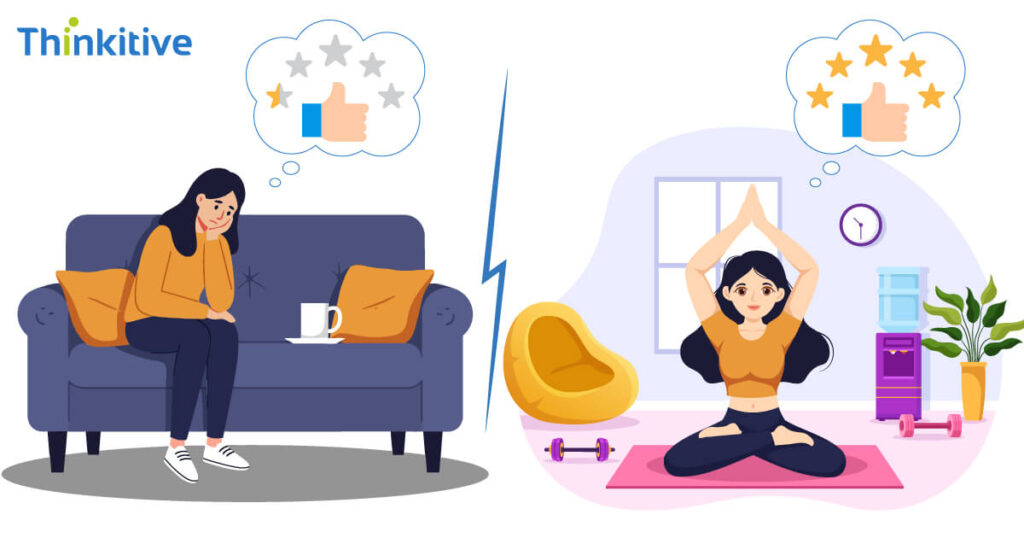
Right now, continuing care in mental health is like playing a record, missing some crucial parts of the song. This makes it quite challenging for clinicians to keep track and continue the care, as mental health depends on multiple care providers.
Typically, mental health patients move from inpatient to outpatient care and then continue the care from telehealth or with regular follow-ups. However, with many mental health clinics using disconnected EHRs, they can’t share the patient data seamlessly. These EHR systems also bring broken data links and siloed care transition workflows, making it nearly impossible to maintain coordinated care across clinicians.
This is where integrated behavioral health systems play a crucial role in connecting inpatient and outpatient mental health care. It unifies care plans across providers and ensures there are no gaps left in data and coordination, keeping everyone on the same page.
By implementing behavioral health EHR integration through custom behavioral health software solutions, you can improve continuity of care in mental health. In this blog, we will explore how to improve continuity of care in mental health with tools to connect inpatient and outpatient mental health care.
Let’s get started without further ado!
The Fragmentation Problem in Behavioral Health
In mental health care, the patients move continuously from one care setting to another. They first start in inpatient care, then continue to outpatient care while receiving medication management from another facility and check-ins via telehealth.
Moreover, in mental health, each provider plays a crucial role, but when their systems are not connected, the care gets fragmented. The main reason for this is a generic EHR that lacks proper cross-level patient coordination. Because of this, patient documents get mailed, faxed, or sometimes they are never shared at all.
So, when providers do not have complete data, they operate in the dark, leading to missed medication and follow-ups, breaking the care continuity. In addition, this fragmentation is not just due to workflow issues but also because of inefficient systems.
That’s why, in mental health, behavioral health EHR integration is important because even the most dedicated care teams cannot maintain seamless continuity without it.
What Continuity of Care Means in Mental Health
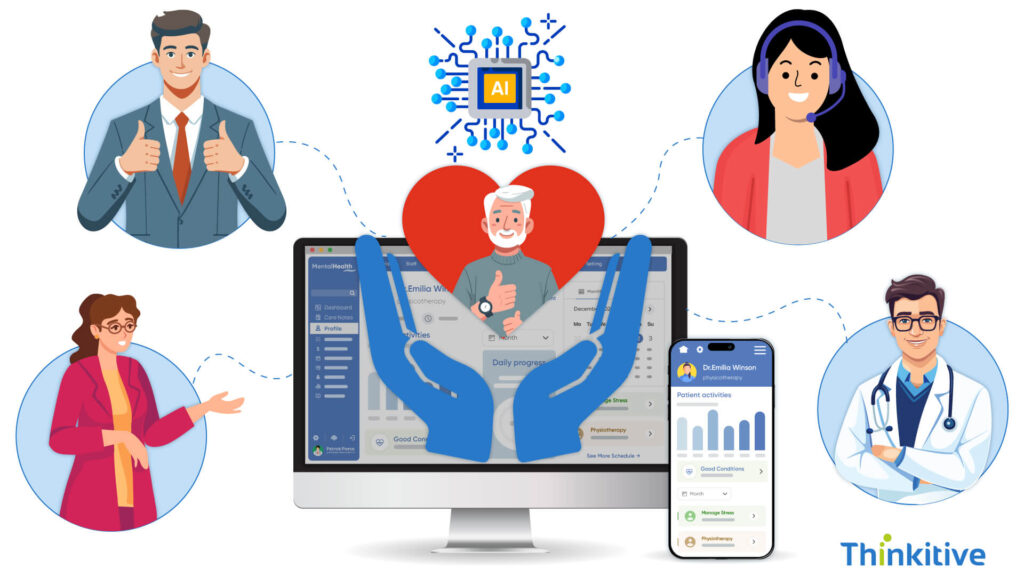
Continuity of care in mental health goes far beyond a patient’s hospital discharge or therapy appointment; it’s about keeping everyone involved in the care team on the same page. When patients move from inpatient to outpatient to community programs, their journey should feel seamless, not disjointed. That’s the heart of behavioral health care coordination, ensuring information and accountability flow in sync across every touchpoint.
Here’s what true continuity looks like in an integrated behavioral health system:
- Cross-Level Coordination: Smooth transitions between inpatient, outpatient, and telehealth settings with shared updates and ongoing treatment alignment.
- Unified Patient Data: Every provider has real-time access to treatment history, medication lists, and progress notes, powered by effective behavioral health EHR integration.
- Whole-Person Care: Integration of clinical, behavioral, and social determinants of health data gives teams a complete understanding of each patient’s needs.
- Timely Follow-Ups & Shared Care Plans: Automated care transition workflows and alerts ensure every patient receives consistent support after discharge.
When all these elements come together, care stops feeling fragmented. Technology for care coordination in behavioral health becomes the bridge that keeps patients supported at every level, and that’s how you truly improve continuity of care in mental health.
Why Generic EHRs Fail to Support Care Continuity?
Generic EHRs were designed for general clinical documentation and billing, not the nuanced demands of behavioral health. When it comes to mental health care transitions, these systems often leave providers scrambling, creating delays and gaps that directly affect patient outcomes. Without purpose-built modules, care coordinators and case managers are left piecing together fragmented information, leading to inefficiencies and repeated patient outreach.
| Challenge | Impact on Continuity of Care | What’s Needed |
| No Transition Modules | Manual tracking of discharges and referrals results in missed updates, delayed follow-ups, and incomplete treatment handoffs. | Dedicated care transition workflows with automated alerts, reminders, and progress tracking. |
| Disconnected Systems | Inpatient and outpatient platforms often don’t communicate, preventing true cross-level patient coordination. | Integrated behavioral health systems that unify data across care levels in real time. |
| Manual Data Transfers | Copying notes or re-entering information increases errors, outdated records, and inconsistent care plans. | Seamless behavioral health EHR integration that automatically syncs patient data and treatment history. |
| Limited Visibility | Care coordinators and case managers can’t monitor patient progress or outcomes across settings, leading to reactive, rather than proactive care. | Dashboards and analytics for behavioral health care coordination to provide actionable insights and timely follow-ups. |
By highlighting these gaps, it becomes clear why generic EHRs struggle to support continuity of care in mental health. The solution lies in purpose-built systems that connect the dots, reduce care fragmentation, and give teams the tools to maintain consistent, high-quality patient support.
This keeps the section concise, visually scannable, and keyword-rich while clearly emphasizing the problem and solution.
Building True Continuity Through Technology
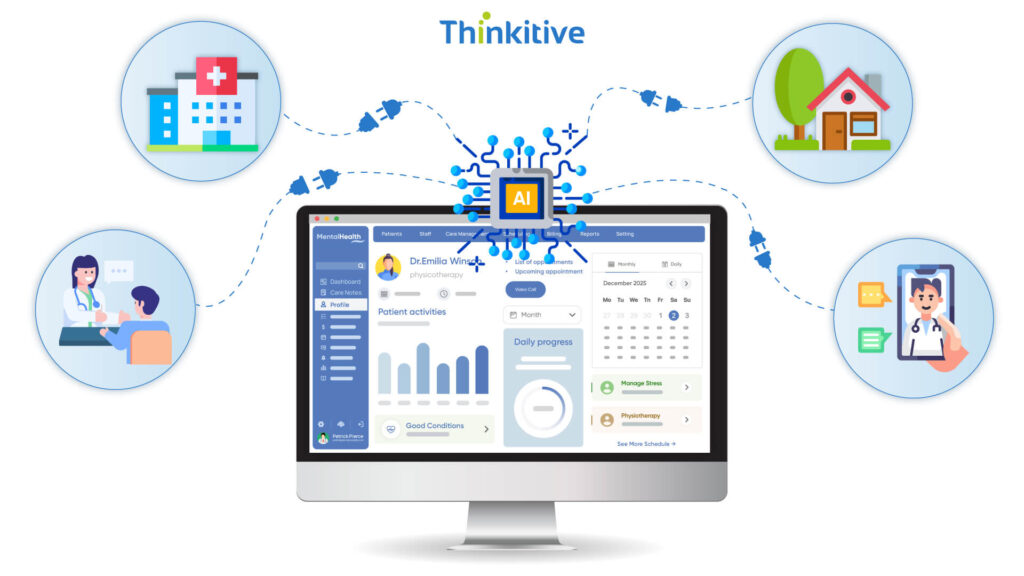
The right technology can turn fragmented care into a seamless patient journey. By leveraging modern tools, behavioral health providers can ensure that mental health care transitions are smooth, information flows freely, and every member of the care team is on the same page. Here’s how technology drives true continuity in mental health:
1. Interoperable EHR Systems: Share patient data seamlessly across inpatient, outpatient, and telehealth platforms, enabling real-time collaboration and informed decision-making.
2. Shared Care Plans: Keep all clinicians updated with the latest treatment changes, therapy progress, and medication adjustments, reducing gaps in care.
3. Automated Referral Workflows: Eliminate manual tracking, minimize follow-up delays, and ensure patients don’t fall through the cracks during transitions.
4. Patient Portals & Telehealth Integration: Engage patients post-discharge, provide easy access to care plans, and support ongoing communication with providers.
5. Role-Based Access: Tailor visibility so psychiatrists, therapists, and social workers see the information relevant to their role, keeping sensitive data secure while supporting collaborative care.
By implementing these tools, organizations can improve cross-level patient coordination, strengthen behavioral health care coordination, and significantly reduce care fragmentation. Technology doesn’t just streamline workflows; it helps in reducing care fragmentation in mental health services.
The Role of Data in Maintaining Continuity
In mental health care, data is more than just numbers; it’s the glue that holds cross-level patient coordination together. Data-driven dashboards give care teams a clear view of patient transitions, treatment outcomes, and provider activity across inpatient, outpatient, and telehealth settings. These dashboards help identify gaps, track follow-ups, and ensure no critical step is overlooked in a patient’s journey.
Predictive analytics play a vital role by flagging patients at risk of dropping out or experiencing setbacks, allowing timely interventions before issues escalate. Integration with outcome measurement tools like PHQ-9 and GAD-7 across care settings ensures that behavioral and clinical data are harmonized, giving providers a holistic understanding of patient progress.
By leveraging technology for behavioral health care coordination, organizations can transform fragmented care into a seamless experience. Data becomes actionable intelligence, empowering care coordinators, psychiatrists, therapists, and social workers to maintain consistent follow-ups, improve treatment adherence, and ultimately strengthen continuity of care in mental health.
How Continuity Improves Clinical & Financial Outcomes
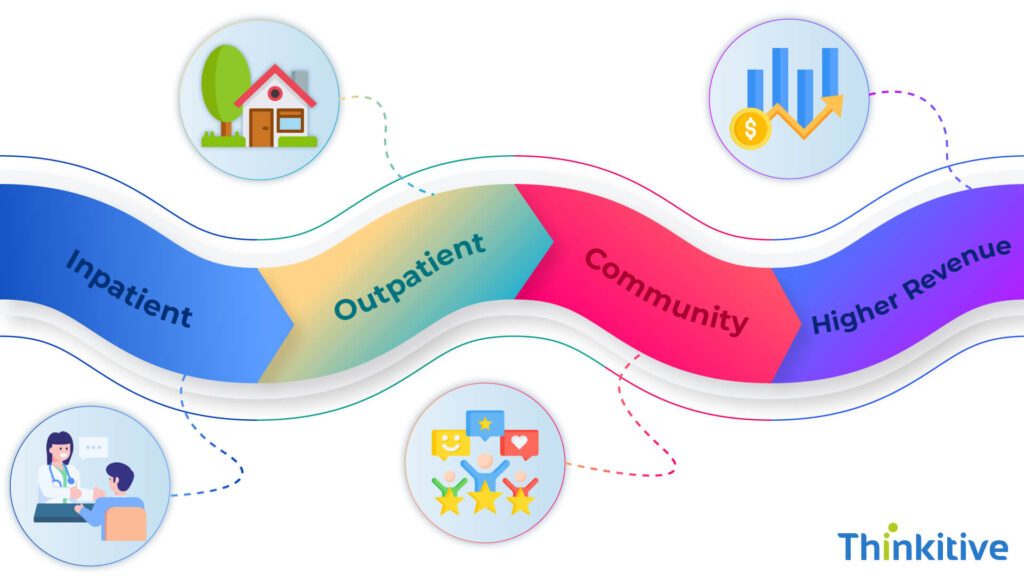
Maintaining continuity in mental health care delivers measurable benefits for patients, providers, and organizations. Clinically, connected care leads to enhanced treatment effectiveness, fewer relapses, and smoother transitions between inpatient, outpatient, and community programs. Patients experience consistent, informed care at every touchpoint, which improves overall outcomes and engagement.
Administratively, continuity reduces manual work, minimizes errors, and decreases insurance denials, lightening the load for care teams. Improved communication across providers ensures shared care plans are up to date, follow-ups happen on time, and critical information never slips through the cracks.
For practices operating under value-based care models, continuous care translates directly into better compliance, optimized reimbursements, and a stronger ability to meet performance metrics. In short, investing in tools to connect inpatient and outpatient mental health care not only elevates patient outcomes but also strengthens financial and operational efficiency for behavioral health organizations.
Conclusion
Continuity of care in mental health isn’t just a goal; it’s the key to better patient outcomes and fewer administrative headaches. When care transitions are seamless, follow-ups are timely, and data flows across inpatient, outpatient, and telehealth settings, patients feel supported, and providers can work efficiently.
The right technology, especially interoperable, mental health-specific EHRs, makes this possible by unifying treatment history, care plans, and provider communication in one system. Don’t let fragmented workflows hold your team back; explore how Thinkitive’s Behavioral Health EHR can unify your care ecosystem and transform behavioral health coordination.
Frequently Asked Questions
Continuity of care in mental health ensures that patients experience seamless treatment across inpatient, outpatient, telehealth, and community programs. It involves coordinated care plans, timely follow-ups, and consistent communication among all providers involved in a patient’s journey.
Behavioral health relies on subjective progress, therapy sessions, and social context, unlike physical health metrics like labs or vitals. Multiple providers, disconnected systems, and fragmented workflows make cross-level patient coordination more complex and prone to gaps or missed updates.
Technology improves continuity by enabling behavioral health EHR integration, interoperable systems, automated referral workflows, shared care plans, dashboards, and patient portals. These tools allow real-time data sharing, reduce manual errors, and keep providers and patients connected across care levels.
Poor continuity leads to treatment delays, repeated assessments, medication errors, and higher readmission rates. Patients experience inconsistent care, fragmented follow-ups, and lower engagement, ultimately reducing treatment effectiveness and increasing the risk of relapse.
Yes, custom EHRs designed for behavioral health provide integrated workflows, real-time data access, and role-based dashboards. They streamline cross-level patient coordination, reduce care fragmentation, and support continuous follow-ups, improving both clinical outcomes and operational efficiency.


