The Staff Burnout Crisis in Mental Health: How Generic EHRs Contribute to Clinician Burnout in Mental Health

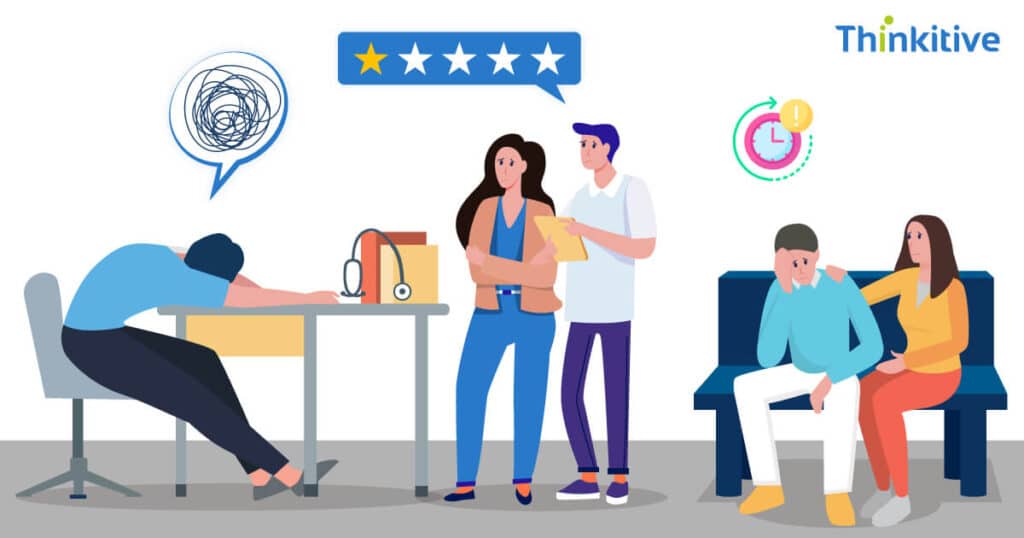
If you are a healthcare provider or an administrative staff member, you know what burnout is and how it feels. You feel completely drained, both physically and emotionally. With the increasing stress and workload, the burnout levels are also climbing.
The inefficient workflows, repeated manual tasks, and data re-entries mean providers need to stay even after their shift ends. Sometimes this work even takes up the provider’s pajama time, creating a work-life imbalance that further frustrates providers. This is where the connection between clinician burnout and EHR systems becomes clear.
According to a study by the National Library of Medicine, an inefficient or generic EHR in the case of mental health practice is the major contributor. In mental health, the data is narrative; however, if your EHR only allows checkboxes in the report, then data entry becomes a hassle.
Most importantly, therapists spend hours on screen rather than engaging with patients, which is the foundation of mental health care. In short, burnout not only affects the clinician’s well-being but also impacts patient care and clinics.
The good news is that burnout can be reduced with a custom mental health EHR that adapts to your workflow. So, this blog will be focused on how EHRs contribute to clinician burnout in mental health and why a custom mental health EHR reduces clinician burnout and increases clinician satisfaction.
Let’s get started without further ado!
Why Clinicians Are Overwhelmed by EHRs
Now, EHRs are the tools that are supposed to lighten the burden of providers, yet if they are inefficient, then they do the exact opposite. For many therapists, the EHR has become less of a clinical tool and more like a second full-time clerical job. Rather than focusing on patient care, providers are left completing session notes, filing billing, and completing compliance tasks.
However, the EHR inefficiencies in mental health do not end here. If the EHR is not easy to navigate and has rigid templates, then the situation becomes even worse. Providers are left navigating a maze of features and need to click through many unnecessary fields, wasting time and draining their energy.
Then comes the constant flood of pop-ups, reminders, and fragmented data. What’s meant to be a decision support system often becomes a distraction, creating alert fatigue and increasing the risk of missing something important.
Moreover, clinicians now face 24/7 messages from patients and administrative requests that fill their inboxes. This makes them feel like the workday never ends, leaving them playing catch-up with the patient and their data.
The Impact on Mental Health & Burnout
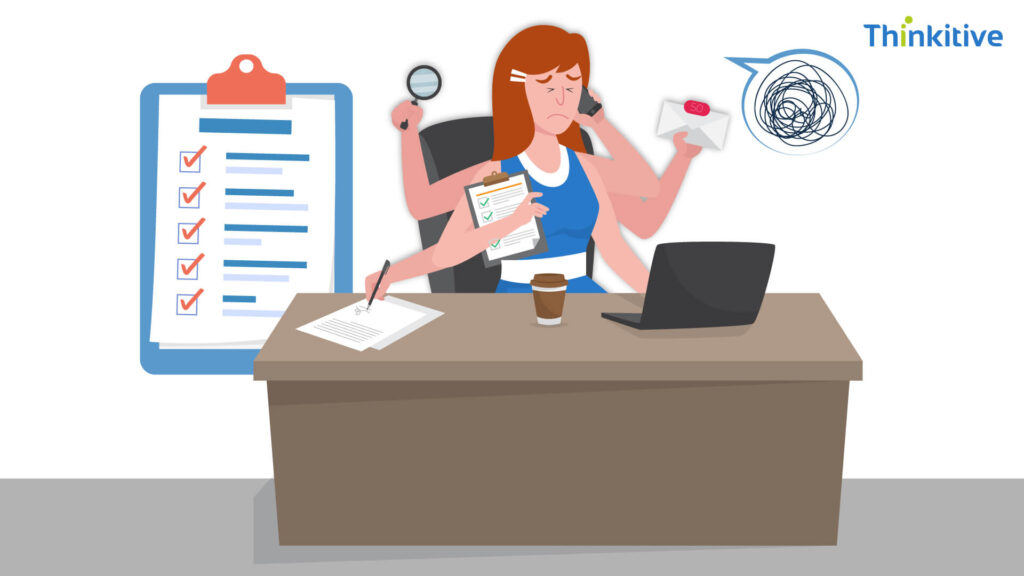
The EHR inefficiency in mental health impacts many other things, including patient relationships, flexibility, and how therapists work. Many providers now spend nearly as much time on EHR tasks as they do on actual patient care, and the catch-up often spills into late-night charting. Plus, the time that should be used for resting goes into the EHR.
The next thing is the loss of autonomy. With the checkbox-heavy forms and rigid templates, there is an ability to make the right clinical judgement. This means the expertise of the mental health providers is not fully utilized with the standardized workflows.
Even the heart of care, the human connections, suffer. When documentation takes center stage, clinicians become detached from patients, typing instead of truly listening. For therapists and psychiatrists, this feels like a betrayal of their calling.
The erosion continues at home. With constant after-hours EHR work, personal life becomes collateral damage, fueling a relentless work-life imbalance that accelerates emotional exhaustion. That’s why a provider would rather not get paid than keep going through inefficient systems.
Although it’s a dramatic statement and may seem exaggerated, it shows the depth of frustration and demoralization that inefficient EHRs have created.
The Hidden Costs of Burnout
Many may think that burnout is only draining providers, but the reality is that it also impacts the clinic. When mental health providers feel crushed by EHR inefficiency, turnover becomes unavoidable. Turnover is not just losing a provider; it comes with recruitment, onboarding, and training costs.
However, these costs are not just limited to these costs; they also affect the productivity of clinicians. A burned-out clinician bogged down by generic workflows can’t give their best. Mistakes creep in, empathy runs low, and the quality of care declines. In mental health, where trust and connections are everything, that loss is devastating.
Patients feel it immediately; no one wants to open up to a clinician who seems distracted, exhausted, or constantly looking at a screen. If this happens repeatedly, patient dissatisfaction grows, loyalty weakens, and eventually patients leave for another clinician. This means the clinic loses revenue and its reputation simultaneously.
That’s why addressing burnout isn’t optional; it’s a necessity. Tools like custom mental health EHRs and clinician satisfaction software don’t just make documentation easier. They protect the very foundation of care, reputation, and financial stability.
Potential Solutions: Reducing EHR-Driven Burnout
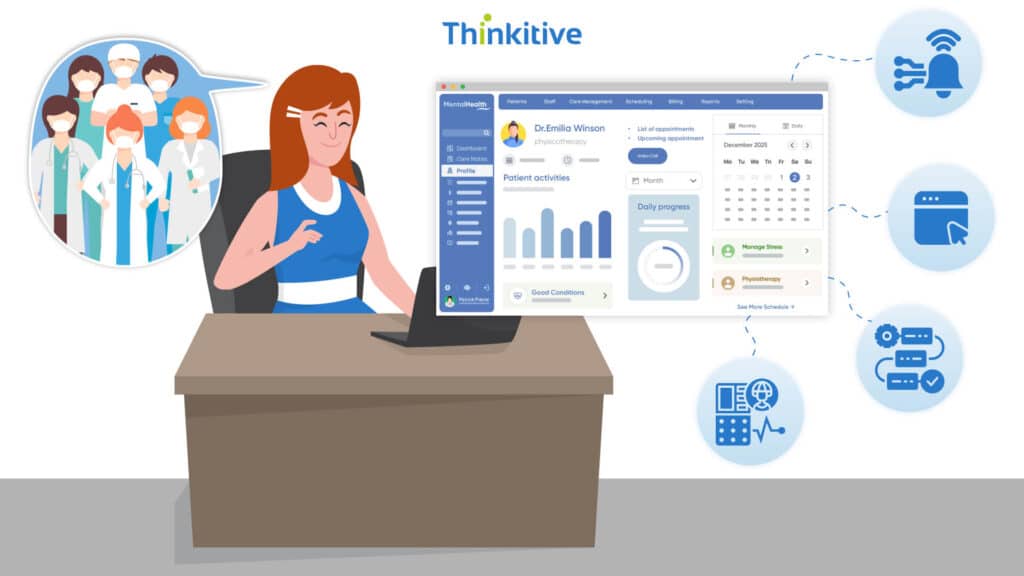
The truth is, clinician burnout linked to EHRs doesn’t have to be the norm. There are practical ways to ease the burden. It starts with simplifying the system itself, fewer clicks, clearer workflows, and layouts that make sense. Small design changes can save hours and reduce daily frustration.
Next, think about sharing the load. Support staff, dictation tools, and smart automation can take the endless clerical work off clinicians’ shoulders, so their energy stays focused on patients.
Another key step is protecting admin time. Providers shouldn’t have to finish charting or sift through inboxes after their shift ends. By carving out time during the workday for these tasks, clinics can help restore some work-life balance.
And finally, none of this works without the right culture. When leadership openly supports mental health and prioritizes well-being, it creates an environment where burnout isn’t ignored; it’s addressed.
How Custom Mental Health EHRs Help
Generic EHRs often force mental health providers into systems designed for hospitals, not therapy. Custom mental health EHRs change that, putting therapists, psychiatrists, and counselors at the center of the system.
With templates built specifically for counseling, behavioral tracking, progress notes, and even group sessions, clinicians can document naturally, without squeezing every interaction into rigid checkboxes. Workflows feel smoother, repetitive tasks and endless clicks are minimized, and providers spend less time wrestling with forms and more time with patients.
Even the busywork, scheduling, billing, and note-taking, can be simplified, saving hours and reducing errors along the way. Mobile access and practical tools like smart scheduling or dictation make it possible to leave charting at the office, finally reclaiming personal time.
Ultimately, custom EHRs do more than improve efficiency. They restore autonomy, protect work-life balance, and put the patient-clinician relationship back in focus. These systems aren’t just software upgrades; they’re tools that prevent burnout and make mental health care more meaningful for everyone involved.
Conclusion
Burnout in mental health care is real, and inefficient EHRs are making it worse. Providers are spending nearly as much time with screens as with patients, sacrificing their energy, focus, and even their passion for care. The truth is simple: EHRs should support clinicians, not sabotage them.
Generic, medical-model systems have no place in therapy and psychiatry. What mental health professionals need are custom-built solutions that streamline documentation, reduce clicks, automate routine tasks, and protect work-life balance. When technology is designed with providers in mind, burnout declines, patient care improves, and clinics thrive.
So, ready to reduce the burnout in your clinic with an EHR tailored to your needs? talk with our experts and get your free assessment.
Frequently Asked Questions
Clinician burnout in mental health is the emotional and physical exhaustion providers feel from long hours, heavy caseloads, and constant administrative demands. Inefficient EHRs amplify this stress, forcing therapists and psychiatrists into tedious documentation and rigid templates, leaving less time for patients and personal well-being.
Inefficient EHR systems turn daily tasks into a constant battle, endless clicks, rigid templates, and after-hours charting drain clinicians’ energy. Over time, frustration and burnout build, prompting talented mental health providers to leave, seeking workplaces where their time, expertise, and well-being are actually respected.
Clinicians often find EHR-related burnout worse than patient care stress because it’s relentless, invisible, and dehumanizing. While patient care feels meaningful, endless clicks, rigid templates, and administrative chaos drain energy, steal personal time, and make them feel like data-entry clerks instead of healers.
EHR-related burnout in mental health clinics costs more than exhausted staff. High turnover means recruiting and training replacements, while fatigued clinicians risk errors and less empathy. Patients notice, leading to dissatisfaction, attrition, and a damaged reputation. Ultimately, burnout silently drains both a practice’s heart and revenue.
After-hours charting steals the time clinicians should spend resting, with family, or pursuing hobbies. Constantly returning to notes and compliance tasks blurs the line between work and personal life, leaving providers exhausted, mentally drained, and struggling to recharge, making burnout not just likely, but almost inevitable.
Generic EHR templates frustrate mental health providers because they’re built for medical settings, not therapy. Rigid checkboxes and one-size-fits-all forms force clinicians to fit nuanced, narrative sessions into ill-suited fields, turning meaningful documentation into a time-consuming, draining task that steals focus from the patient.
Custom mental health EHRs reduce burnout by streamlining documentation, cutting unnecessary clicks, and providing templates tailored to therapy workflows. They free clinicians from tedious administrative tasks, restore focus on patient care, and protect personal time, helping providers feel more in control, valued, and energized in their work.
AI tools and automation help clinicians reduce administrative burdens. By handling repetitive tasks like scheduling, documentation, and billing, they free up time for patient care, reduce errors, and limit after-hours work. This allows providers to focus on what matters most while protecting their energy and well-being.
Improving EHR usability starts with simplifying workflows, reducing clicks, and creating intuitive templates that match how clinicians actually work. Adding support staff, dedicated admin time, and flexible tools helps relieve providers’ burden. Combined with a culture that values well-being, these strategies significantly reduce frustration.
Mental health administrators can calculate ROI by weighing time saved on documentation, fewer errors, reduced staff turnover, and improved patient satisfaction against the cost of a custom EHR. Essentially, it’s about measuring how much smoother workflows and happier clinicians translate into financial and operational gains for the practice.


