The 45-Minute Intake Form Problem in Mental Health That’s Killing New Patient Conversion

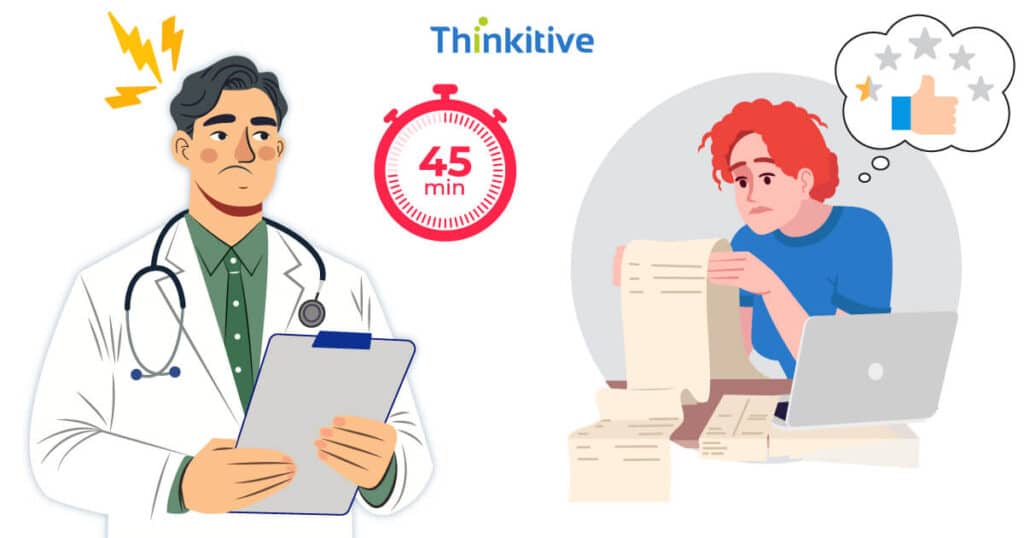
If you are a mental health provider, you must know how hard it is to get new patients. The reason? The very first step in a patient’s journey is the intake form. For any clinic, the first step decides how smooth the whole journey will be, so a smooth mental health intake process is essential.
However, in behavioral health, this step often becomes a tiring and lengthy process for the patients. Unlike general healthcare, the intakes in mental health are more complex, as you need more than just vitals and patient history. You must understand patients completely, from their traumas to emotional triggers.
That’s why this process, although essential, becomes exhausting for both patients and providers. And what should help you know the patient better often leads to them dropping out midway. The forty-five minutes of repetitive questions, unclear instructions, and paper-based or lengthy patient onboarding in mental health can make a patient rethink their decision.
So, you need to understand why long intake forms hurt mental health patient conversion and how to simplify mental health patient onboarding to make it work. That’s where mental health EHR mobile app development comes in, helping clinics build digital, user-friendly intake workflows that reduce form fatigue and improve patient experience.
In this blog, we are going to explore these points and dive into how EHR automation for patient intake can improve conversion and what the best practices for digital intake in behavioral health are.
Let’s dive in!!
Why Intake Forms in Mental Health Are So Complex
When it comes to managing the mental health intake process, it needs to be more detailed and subjective. That’s why the standard forms created to capture the generic details fail to document the needed data.
Moreover, patients are asked to answer detailed questions and complete multiple documents. They must fill out their clinical history, demographic information, consent forms, and assessment scores such as PHQ-9 and CAD-7. Each of these gives providers a more complete picture of patient health and helps in making accurate diagnoses and care plans.
But this process does not go so smoothly, as either the clinics still rely on paper forms or use generic EHRs and templates. This means the forms can’t auto-save, pre-fill recurring data, and do not synchronize with behavioral health EHR, leading to providers checking and validating forms manually.
Furthermore, this happens because clinicians fear missing compliance data, making the forms an overload of data. But this complexity slows down patient onboarding in mental health and damages the overall patient experience in behavioral health settings. So, when a patient spends almost an hour filling out the intake form, it explains why there are more drop-offs and conversions.
However, you can solve this problem by shifting to EHR automation for patient intake and digital intake forms for mental health, simplifying data collection. These tools easily streamline mental health form management and support mental health clinic workflow optimization, making onboarding smarter and faster.
The Real Impact: Drop-Offs, No Shows, & Lost Revenue
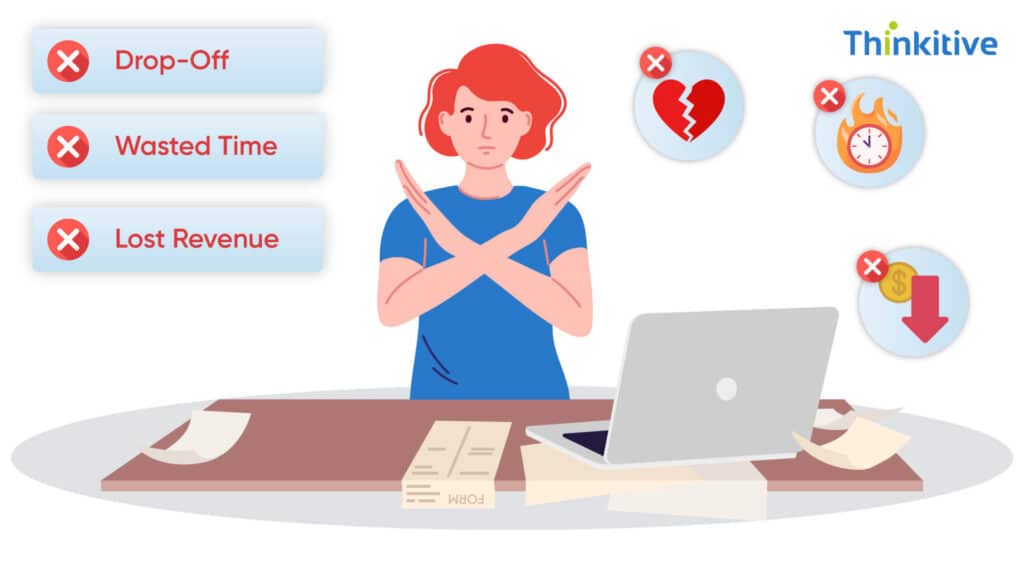
A lengthy mental health intake process not only impacts patient experience but also affects the clinic’s finances. Because when patients take 40-45 minutes to complete just the intake form before even engaging in care, they feel frustrated, leading to increased chances of drop-offs.
Moreover, this also means that clinics lose patients even before they start the journey, leading to missed appointments and no-shows. These missed appointments turn into lost opportunities to care and claim reimbursement, lowering the clinic’s revenue.
However, this is not the only impact, and it also takes an emotional toll on patients. Many patients are afraid to seek mental care and are already feeling anxiety, and can find these forms overwhelming. That’s why they feel less likely to complete the form.
Finally, it takes up the provider’s time for manual review. They spend hours entering data and verifying the forms. This means they have less time to engage, and manual reviews increase the chances of errors. In short, every extra minute spent on intake forms increases the patient’s frustration, wastes staff time, and reduces revenue for the clinic.
Breaking Down the 45-Minute Intake Problem
For a mental health clinic, every extra question, page, or manual entry adds a hindrance to the smooth mental health intake process. Here’s how it impacts and slows down new patient onboarding:
- Too Many Questions: Most of the intake forms used for mental health are standard forms that come with generic EHRs. These forms have questions that are not related to mental conditions. For instance, a patient with anxiety has to answer questions about their glucose levels.
- No Conditional Logic: For every patient, the portal presents the same form, as there is no conditional logic. Whether they are dealing with anxiety or substance use, without adaptive questioning, patients face many irrelevant sections.
- Lack of Automation: Many times, assessments such as PHQ-9 and CAD-7, or consent forms, require manual data entry and document uploading. This adds extra minutes to the whole patient onboarding process, along with extra work hours for staff.
- Technical Barriers: Generic templates are not mobile-friendly, lack smooth patient portals, and require mandatory sign-ups, discouraging patients and increasing patient drop-offs, especially on mobile.
- Compliance Overload: Clinicians fear missing the compliance details and documentation, adding extra but unnecessary fields in the forms, leading to longer forms than necessary.
In short, each of these reasons extends the form’s duration and leads to a more lengthy mental health intake process, lowering patient conversion.
How Smart EHRs & Digital Intake Systems Solve the Problem
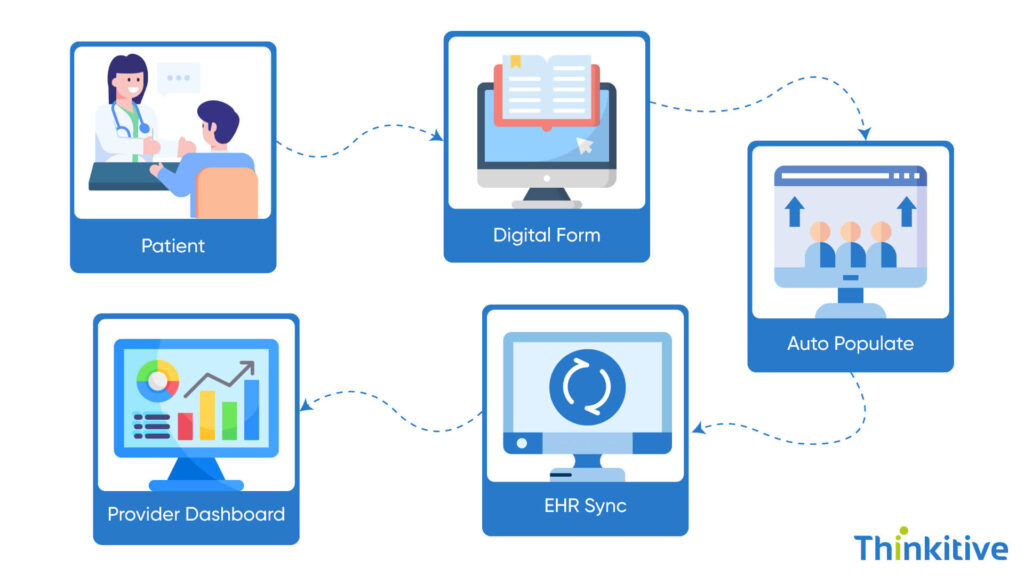
Modern behavioral health EHRs and digital intake systems are transforming the way clinics onboard new patients, turning a 45-minute ordeal into a seamless, patient-friendly process. Here’s how EHR automation shortens mental health intake forms:
- Adaptive Digital Forms: Forms dynamically adjust based on patient responses. For example, substance-use questions are skipped for non-relevant patients, reducing unnecessary burden and keeping the process concise.
- Auto-Populated Data: Returning patients no longer re-enter information. The EHR automatically pulls existing records, saving time for both patients and staff.
- Integrated Assessments: Standardized tools like PHQ-9, GAD-7, and SDOH forms are automatically assigned and scored within the system, ensuring clinical accuracy without extra administrative effort.
- Mobile-First Design: Forms accessible on phones or tablets allow patients to complete intake anytime, anywhere, dramatically reducing drop-offs and enhancing the patient experience in behavioral health.
- Real-Time EHR Sync: Data from intake forms instantly populates the patient chart, eliminating duplicate entry and freeing staff to focus on care rather than manual data management.
By combining digital intake forms for mental health with smart EHR automation, clinics streamline onboarding, reduce frustration, and improve new patient conversion, all while maintaining compliance and accuracy.
Measuring the ROI of Intake Optimization
Optimizing the mental health intake process isn’t just about improving patient experience; it’s a measurable win for the clinic as well. Smarter, digital intake workflows reduce incomplete forms, save staff time, and improve compliance accuracy.
The result? Higher patient conversion, fewer cancellations, and a more efficient mental health clinic workflow overall. Here’s a quick look at the tangible benefits clinics see when they invest in intake optimization:
| Metric | Impact of Optimized Intake |
| Incomplete Forms | Fewer incomplete forms → higher patient conversion |
| Staff Time | Save 5–10 minutes per new patient on manual entry and verification |
| Patient Satisfaction | Improved experience → fewer appointment cancellations |
| Compliance Accuracy | Automated data capture reduces errors and ensures audit readiness |
Building a Patient-Centered Intake Workflow
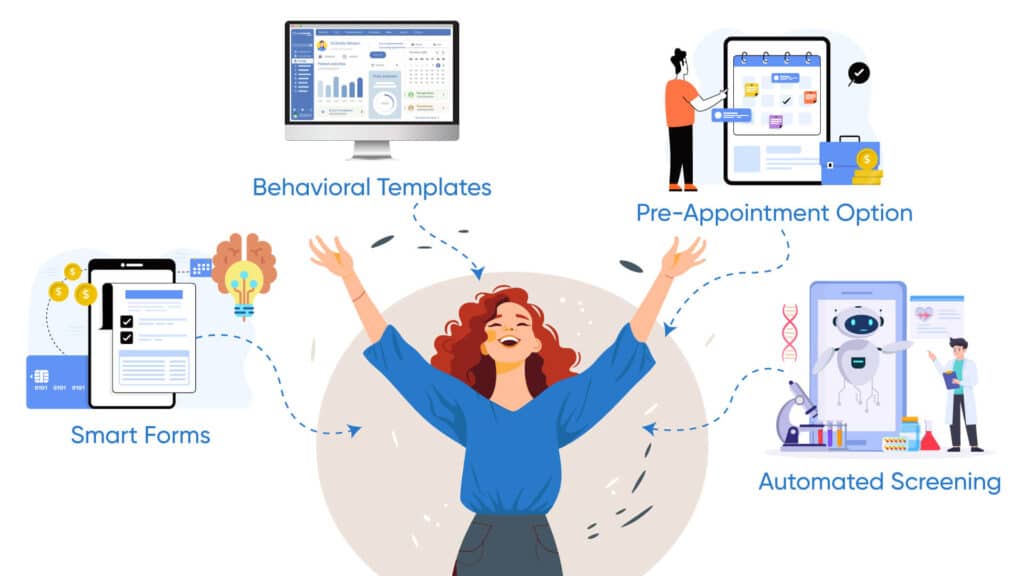
If you want the intake workflow to be patient-centered you need to balance efficiency with the best practices for digital intake in behavioral health. For mental health clinics this starts with efficiently reviewing the forms. Moreover, the irrelevant and repetitive questions should be removed for a much quicker filling process.
Then comes using behavioral health-specific templates designed to capture the right clinical and demographic data. It should have validation assessments such as PHQ-9 and GAD-7 along with other mental health nuances including consent forms and psychosocial data of the patients.
Another best practice that can reduce the drop-offs is offering pre-appointments for filling the forms. This helps in reducing the anxiety of patients and allows them flexibility to complete the intake process at their own pace.
Moreover, you can automate screening and assessments within your behavioral health EHR. This ensures that patient responses are scored and recorded directly without any interventions from clinicians. In addition, a short, smart intake experience sets the tone for treatment, demonstrating that the clinic values both the patient’s time and well-being.
Conclusion
In a nutshell, the intake process is the clinic’s first impression and is crucial for gathering all the important patent details. However, when this process is lengthy and filled with irrelevant and repetitive questions patients drop-off midway, lowering conversion.
That’s where, adopting smart, digital intake workflows through a behavioral health EHR, clinics can streamline the whole process. Moreover, it also helps clinicians in improving patient experience during intake in mental health clinics.
So, don’t let inefficient mental health intake process lower the conversion. See how Thinkitive’s custom behavioral health EHR brings down time to 10 minutes. book your demo today.
Frequently Asked Questions
Patients abandon intake forms due to length, complexity, irrelevant questions, technical barriers, or anxiety about sharing sensitive information. Long, static forms create frustration, leading to incomplete submissions, missed appointments, and reduced new patient conversion.
An ideal digital intake form should take 10–15 minutes to complete. Shorter, adaptive forms reduce patient fatigue, improve completion rates, and maintain accuracy, ensuring patients provide meaningful clinical and demographic information without feeling overwhelmed.
Yes, modern behavioral health EHRs automatically enforce compliance through mandatory fields, consent capture, and secure data storage. Automation ensures HIPAA adherence while reducing manual entry errors, allowing clinics to stay audit-ready without lengthening forms.
Optimized digital intake workflows can increase new patient conversion by 20–30%, reducing form abandonment and no-shows. Faster, mobile-friendly, and adaptive forms improve patient engagement while saving staff time, directly impacting clinic revenue.
Not necessarily. Many behavioral health EHRs offer pre-built adaptive templates that require minimal setup. Clinics can tailor conditional logic and assessments without costly development, making smart intake scalable and affordable for most practices.


