Why Mental Health EHRs Fail: The Hidden Costs of Generic Systems

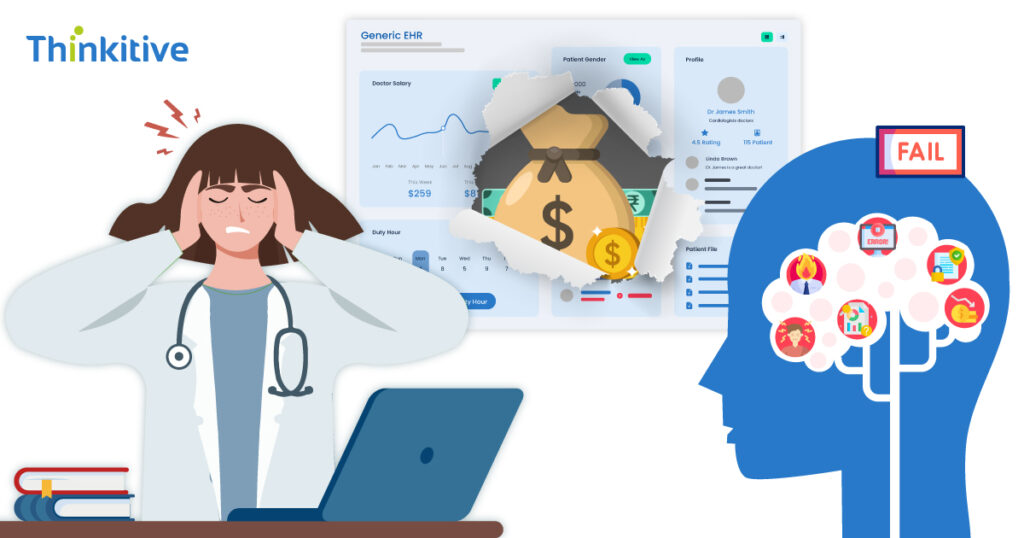
Today, almost all healthcare practices rely on EHRs (Electronic Health Records) to document, update, and share patient information. Mental health is no exception, but here, these EHRs create more problems than they solve.
The main reason for this is that most EHRs are designed for generic medicine. They are built around the workflows of those medical practices and not for mental health. However, therapists don’t just need the templates to capture vitals; they need tools that capture human behavior.
And this mismatch forces providers to rely on workarounds for care plan templates, leading to inefficiency, frustration, and staff burnout.
However, the problem goes beyond just efficiency and documentation, as these EHRs also fall short on security safeguards. Mental health needs protection beyond just the core HIPAA compliance. However, standard EHRs can’t provide the needed compliance and security.
That’s why psychiatry-specific EHRs are essential and no longer optional. Without a mental health EHR built specifically to handle the psychiatry workflows, providers can’t provide smooth and coordinated care.
In this blog, we will look at why EHRs fail in mental health practices and explore how custom mental health EHRs solve all the mental health software challenges, making care delivery compliant and patient-centered.
So, let’s understand why mental health EHRs fail behavioral health practices!
Hidden Costs That Clinics Overlook
As I said earlier, many mental health practices need to find workarounds for generic templates and other workflows. This not only slows down care delivery but also brings many hidden aspects to the surface that affect the mental health practice.
- Compromised Patient Care & Outcomes
Mental health depends on the data more than just blood pressure and glucose level, and EHRs not built to document the psychological data or therapy progress can’t collect it efficiently. So, when providers need to input the patient details in EHR, they put them in free-text fields instead of a structured format.
This means the patient data, like their emotional state, triggers, therapy history, and behavioral changes, can be lost. And when treating patients, these details can be overlooked, compromising patient safety and care efficiency.
- Breakdowns in Care Coordination
Another issue is fragmented systems and a lack of proper integration with other healthcare services. Sometimes patients may also have a physical condition along with a mental one, so it is crucial that the medical records sync properly.
However, these non-specialized EHRs often do not integrate with other disparate yet necessary healthcare systems, which means a psychiatrist may not see any new medicines prescribed by a primary care physician, and vice versa. This creates a situation where there may be a drug interaction that endangers the patient’s life and disrupts continuity of care.
- Damaged Therapeutic Relationships
Trust and communication are essential in psychiatric care sessions. However, when providers are stuck in EHR, clicking through irrelevant templates and adjusting the data where it does not fit, instead of engaging, it affects the flow of the sessions. Moreover, this lack of complete attention leads to patients feeling unheard, directly affecting the treatment process, and the practice can lose the patients.
- Exacerbated Patient Frustration & Errors
When the medical data is lost or is incomplete, practices call patients to refill the form and repeat their medical history. Along with this, patients might also need to correct errors or deal with miscommunication. If this happens repeatedly, then it not only frustrates patients but also can lead to harmful mistakes in diagnosis or care planning.
That’s why, to avoid these behavioral health EHR problems, going from a generic EHR to a custom mental health EHR becomes essential. However, this is just the tip of the iceberg, and these hidden costs of EHR also lead to loss of revenue and operational efficiency.
The $50K Annual Cost of EHR Inefficiency
EHR Cost GuideFinancial & Operational Strain
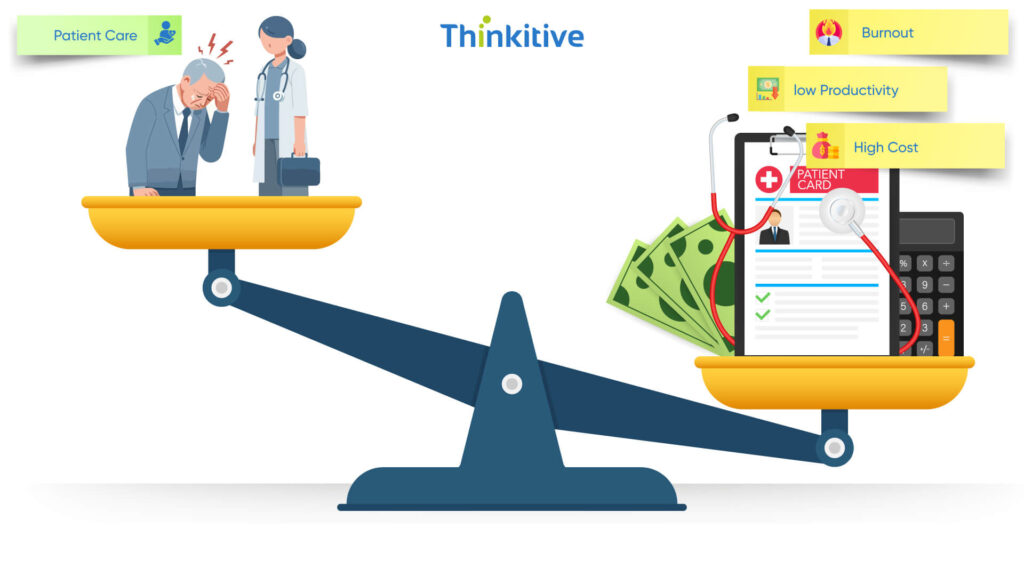
Using standard EHRs not only affects patient care but also makes operations harder, impacting the finances of the mental health practice. Here’s how:
- Increased Administrative Costs:
Without the proper structured templates for documenting the data, these EHRs force staff to re-enter the data. Every information needs to be re-entered across sections, therapy notes, and patient histories copied in free-text fields. All of this adds up to the administrative work, and if the patient volume is high, hiring extra support staff becomes necessary, inflating the administrative costs.
- Staff Burnout & Turnover:
Dealing with an EHR that does not work with the workflows becomes extremely difficult and exhausting. This means the staff feels burned out, and the efficiency of work decreases. Moreover, finding continuous workarounds for complex EHR workflows drives the frustration higher. When this EHR staff burnout happens, the turnover increases, which is expensive, as onboarding and training new recruits is much costlier, impacting the practice budget.
- Lower Productivity:
Every extra minute spent on EHR dealing with documentation means less time spent with the patients. This not only affects engagement but also lowers the provider’s productivity. Because the providers can see eight patients, the time wasted on EHR only allows them to see six patients. This is not only a loss of revenue for the clinic but also low access for patients. That’s why productivity loss is one of the silent but costly consequences.
- Higher Maintenance and Customization Costs:
Although the cost of a generic mental health EHR is a lot cheaper in the beginning, it can cost much more later on. When practices realize that standard EHR does not meet their needs, the costs of add-ons, patches, and vendor customizations go higher than those of a custom EHR solution.
In short, what might seem like a small inconvenience at the start can drain you financially and slow down the overall care.
The Staff Burnout Crisis in EHR Workflows
Learn How to Prevent ItRegulatory & Compliance Risks
Mental health compliance is much stricter than generic medical practices. That’s why these EHRs are not capable of protecting the sensitive mental health data completely, creating compliance risks for the mental health practices.
- Privacy & Security Risk:
In mental health, the patients’ data, especially therapy notes, substance use history, and psychosocial information, must be kept secure and private. However, with this EHR that does not support granular access control, the staff who do not need to see these details still may have access. This can lead to unintentional exposure of the data that must be kept confidential.
- Compliance & Reporting Issues:
Generic EHR templates are usually rigid and have little freedom for customization, so creating reports for mental health becomes difficult. That’s why meeting the mental-health-specific reporting standards or quality metrics is required for CMS or other regulatory bodies. Moreover, because of this, important data may be misreported, incomplete, or scattered across the free-text field.
- Potential Penalties:
The consequences of not having a complete, secure system are far worse, with privacy breaches, failed audits, and fines. If attacks happen due to non-compliance, then the clinic’s reputation can be damaged, along with legal actions, and patient trust can be affected. These penalties can range from $127 to a maximum penalty of $1,919,173 per violation.
So, using a generic EHR can cost you way more than just building a psychiatry-specific EHR. Without the specific safeguards in place, protecting and handling the sensitive mental health data becomes difficult.
Documentation Burden & Workflow Mismatch
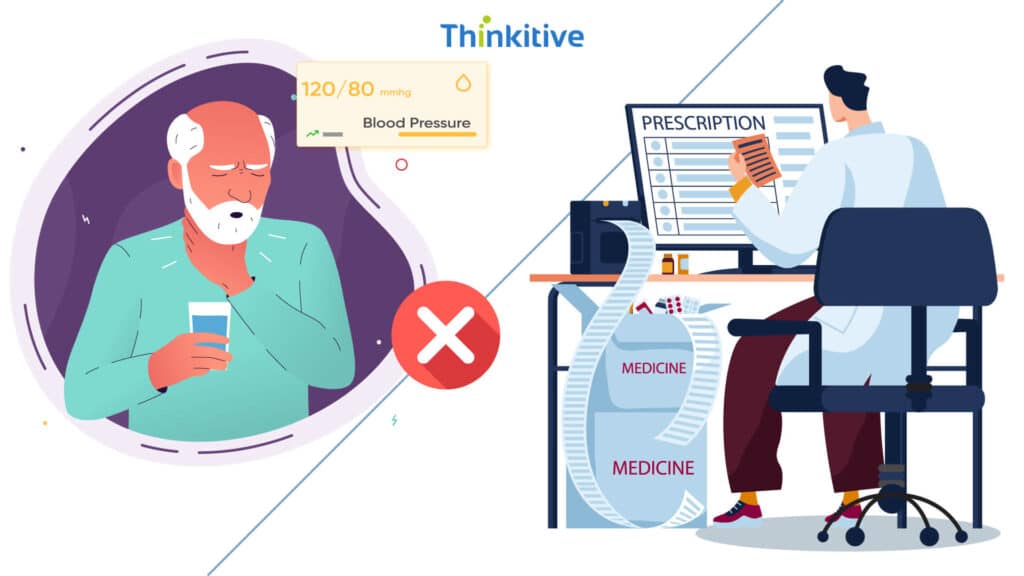
When it comes to the documentation, mental health providers have very different needs. In a general medical practice, EHRs need to collect heart rate, and mental health needs to document emotional states. That’s why standard EHRs don’t fit the behavioral health workflows, creating mismatched notes.
- Generic Templates For Behavioral Health:
Most EHRs are built around vitals, lab results, and medication adjustments, whereas mental health needs therapy notes, emotional assessments, and psychosocial factors. So, using a medical model template for mental health patients forces therapists to adapt their documentation to a system that doesn’t reflect their work. This slows down the process of care delivery and increases frustration.
- Rigid Note Types:
In a traditional EHR, the note formats are either SOAP (Subjective, Objective, Assessment, Plan) or DAP (Data, Assessment, Plan). This typically does not work for mental health practices, especially in group therapies, family therapy, or integrated behavioral care, which need additional documentation structure. And generic systems don’t easily support these formats, leading to incomplete records or workarounds.
- Increased Errors & Slower Sessions:
With rigid clinical notes, providers are forced to adapt and adjust the treatment and observation in these templates. This means low accuracy and slower sessions, as most of the time goes towards entering the notes. Additionally, this also affects the session efficiency, and the chances of errors are high due to a lack of specific sections for entering the data.
In short, when EHRs don’t align with behavioral health workflows, therapists spend more time documenting rather than caring for the patient.
Why Generic Templates Fail Mental Health Documentation
Read the Full GuideHow Custom Mental Health EHRs Solve These Problems
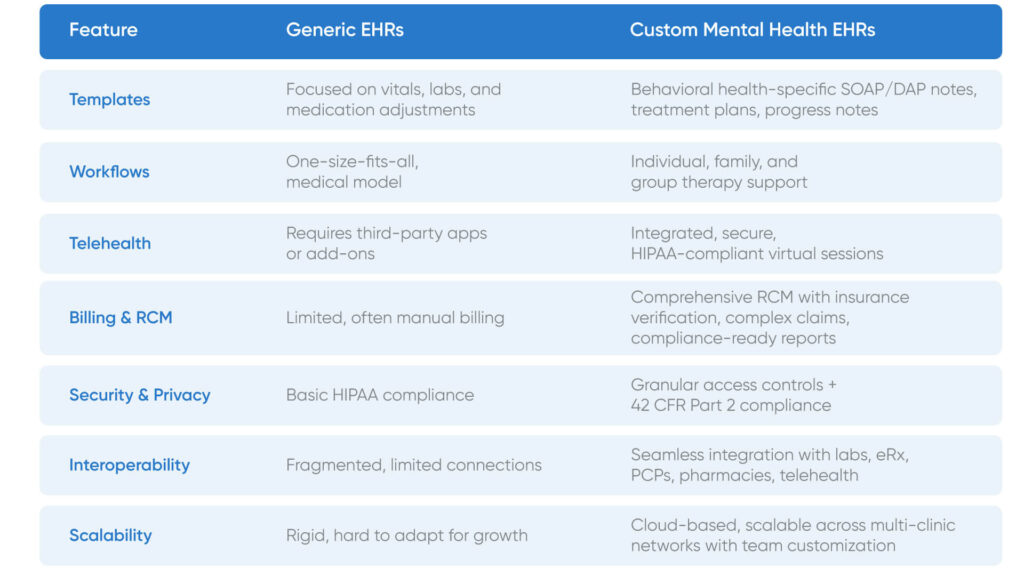
After looking at the hidden costs of using traditional EHRs, it must have been clear that specialized practices need tools designed specifically for their unique workflows. This is where a custom mental health EHR solution becomes essential. It not only eliminates all inefficiencies but also creates a system that truly supports providers and patients.
- Customizable Templates:
Generic templates do not cover all the data points in mental health. So, alongside custom SOAP and DAP notes, providers need progress notes and tailored treatment plans built for behavioral health. This makes documentation faster, accurate, and aligned with patient care.
- Specialized Workflows:
Mental health care does not just involve one-on-one sessions; it also has family therapy and group sessions. Custom solutions support all these different therapies and their different needs easily and seamlessly. This means clinicians can easily manage complex schedules and records without workarounds in rigid note templates.
- Integrated Telehealth:
Telehealth is now an integral part of mental health, and with a custom EHR, you can build a system that has built-in video conferencing platforms. This improves security and eliminates the need to rely on third-party applications. Clinicians can schedule, conduct, and document sessions all in one platform, streamlining both care and compliance.
- Comprehensive Billing & RCM:
Billing in mental health is more complex for mental health practices; the codes and requirements are different. However, with custom mental health EHRs, automated insurance verification, and compliance reporting, the revenue cycle management becomes much easier and simpler. The result is fewer denials and more revenue.
- Enhanced Security & Privacy:
In mental health, the security and compliance requirements are much more complex and strict. With a custom EHR, these needs can be met easily. For instance, with role-based access, bringing granular access becomes possible, along with embedding 42 CFR Part 2 for substance use disorder information confidentiality.
- Improved Interoperability:
Behavioral health must be connected with the PCPs, other specialties, labs, and pharmacies; without this connection, care efficiency can drop. Custom EHRs enable seamless data exchange across systems, preventing fragmented records and significantly improving care coordination.
- Scalable Cloud Platform:
Mental health practice often grows into a multi-clinic network or needs systems tailored to team-based care. Cloud-based platforms can easily support and scale custom EHRs while allowing role-based customization. This ensures the platform grows with the practice instead of a complete overhaul of systems after increased patient volume.
So, a generic EHR vs custom EHR comparison comes up; having a custom mental health EHR is always better than using a standardized EHR. A custom mental health EHR can easily fix all the problems that trouble mental health providers and bring efficiency and productivity to practices.
Conclusion
In a nutshell, using generic EHRs for mental health can cost you more than building a custom EHR solution. For the specialized needs and workflows of the mental health practices, standardized EHRs fall short by a large margin, bringing inefficiency, staff burnout, slow financial drains, and compliance risks.
However, if you develop a custom mental health EHR around your practice workflows and specific needs, then it eliminates the inefficiency in behavioral health EHR systems, reducing burnout and improving the quality of care. So, the best option for mental health providers is to build their own solutions.
Ready to move past the generic EHR system? Let Thinkitive help you design the mental health EHR that works for you. start your free assessment right away.
Frequently Asked Questions
Most mental health EHRs fail because they are built for general medicine, not behavioral health. Therapists end up spending more time on rigid templates and poor workflows, along with weak security and limited integration. Instead of supporting care, these systems slow providers down, frustrate patients, and add hidden financial and compliance risks.
Generic EHR systems may look cheaper upfront, but they quietly drain behavioral health practices. Providers spend extra time on rigid templates, staff repeatedly re-enter data, and errors slip through. Over time, this adds administrative costs, lowers productivity, frustrates staff, and even risks losing patients.
Clinician burnout is common with standard mental health EHRs because these systems aren’t built for therapy workflows. Providers spend more time fighting rigid templates, duplicating notes, and fixing errors than engaging with patients. Over time, this constant frustration drains energy, reduces focus, and erodes job satisfaction.
Custom mental health EHR software streamlines documentation by offering templates tailored to therapy notes, progress tracking, and treatment plans. Instead of forcing providers to adapt to rigid medical models, it fits their workflow, making note-taking faster, reducing errors, and giving clinicians more time to focus on patients.
A purpose-built mental health EHR should include customizable therapy notes, structured progress tracking, and treatment plans tailored to behavioral health. It should support individual, group, and family sessions, integrate secure telehealth, streamline billing, ensure granular privacy controls, and enable seamless interoperability with other healthcare providers.
Generic EHR templates often focus on vitals and labs, not the nuanced details of mental health. This forces therapists to use workarounds or free-text entries, increasing the chance of missing critical information, slowing sessions, and reducing personalized care. This ultimately impacts patient safety, trust, and treatment effectiveness.
Yes, custom EHR solutions streamline documentation with tailored templates and workflows, reducing repetitive administrative tasks. This frees up clinicians to focus on patients, boosts productivity, and minimizes errors. Over time, fewer denials and faster billing cycles translate into higher revenue and smoother clinic operations.
Interoperability in mental health EHRs ensures seamless sharing of patient data across providers, specialists, labs, and pharmacies. This connectivity prevents fragmented care, reduces errors, and supports coordinated treatment plans, so patients receive consistent, safe, and efficient care without forcing clinicians to chase missing information.
Mental health clinics calculate the true cost of a generic EHR by looking beyond the subscription fees, factoring in lost productivity, staff burnout, extra administrative work, revenue lost from billing inefficiencies, compliance risks, and patient care disruptions. All these hidden costs together reveal the real financial and operational impact.
Psychiatry-specific templates in EHR software are crucial because mental health care isn’t just about vitals; it’s about emotions, behaviors, and therapy progress. Tailored templates help clinicians accurately document therapy sessions, track patient changes, and provide personalized care, reducing errors, frustration, and burnout while improving treatment outcomes.


